Explore This Guide
- What Makes a Japanese Recipe "Easy" for Home Cooks?
- The Foundation: Your Japanese Pantry Starter Kit
- Top 5 Easy Japanese Recipes to Start With Tonight
- Essential Tools (You Probably Already Have Them)
- Common Pitfalls & How to Avoid Them
- Your Questions, Answered (FAQ)
- Putting It All Together: A Sample Easy Japanese Meal Plan
Let's be honest. When you first think about making Japanese food at home, it can feel a bit intimidating. All those unfamiliar ingredients, the precision, the presentation... it's easy to think you need years of training. I remember staring at a recipe for dashi (the fundamental broth) and feeling completely lost. But here's the secret I learned after plenty of trial and error: authentic Japanese home cooking is built on simplicity.
It's about fresh ingredients, a handful of core seasonings, and techniques that are often easier than they look. The goal isn't to replicate a high-end sushi chef's work but to make the comforting, delicious meals Japanese families eat every day. And those? Those are totally within your reach.
 You don't need fancy skills, just a willingness to try.
This guide is here to strip away the mystery. We're going to focus on easy Japanese recipes that deliver on flavor without demanding a culinary degree. I'll walk you through the absolute essentials you need to get started, provide clear, step-by-step recipes you can tackle tonight, and share the tips and shortcuts that actually work (I've tested the bad ones so you don't have to).
What Makes a Japanese Recipe "Easy" for Home Cooks?
This is important to define. An easy Japanese food recipe isn't just a simplified version of a complex dish. It's a recipe that aligns with the principles of washoku (traditional Japanese cuisine) in an accessible way. Think about it: few ingredients, clear steps, minimal specialized equipment, and a forgiving nature. A great easy recipe teaches you a core technique—like making a teriyaki glaze or simmering vegetables—that you can use over and over.
The Japanese Ministry of Agriculture, Forestry and Fisheries (MAFF) actually promotes washoku culture, emphasizing balance and seasonality, which naturally leads to straightforward cooking with quality components. You can explore their cultural resources on their official site to understand the philosophy behind the food.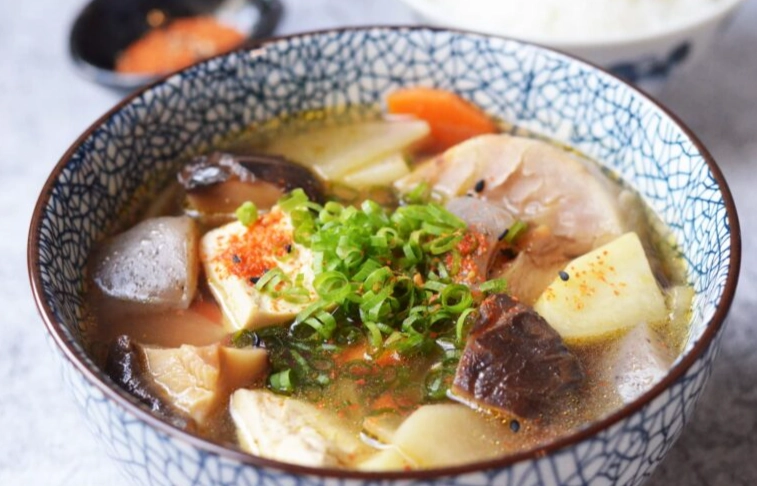
The Foundation: Your Japanese Pantry Starter Kit
You can't build a house without a foundation, and you can't cook these meals without a few key items. The good news? You don't need to buy out the entire Asian market. Start with these five. Once you have them, a world of simple Japanese meals opens up.
Here’s a breakdown of the core team players. I've included common substitutes where they work okay, but I'll be straight with you—the real thing is usually better and lasts ages in your fridge.
| Ingredient | What It Is & Why You Need It | Where to Find It & A Decent Substitute |
|---|---|---|
| Soy Sauce (Shoyu) | The salty, umami backbone. Not all are equal. For most cooking, a regular koikuchi shoyu is perfect. | Any supermarket. Substitute: Tamari (gluten-free) or a very weak salt + Worcestershire sauce mix in a pinch. |
| Mirin | Sweet rice wine. It's the magic that gives teriyaki its shine and subtle sweetness. Crucial for balancing soy sauce. | Asian grocery or well-stocked supermarket. Substitute: A mix of 1 Tbsp sugar dissolved in 2 Tbsp dry sherry or white wine for 3 Tbsp mirin. It's not perfect, but it works. |
| Sake (Cooking Sake) | Used to eliminate odors (like from fish) and add depth of flavor. Cooking sake has added salt and is cheaper. | Asian grocery. Substitute: Dry sherry or a dry white wine. Avoid "cooking wine" from the vinegar aisle. |
| Miso Paste | Fermented soybean paste. The soul of miso soup, but also great for glazes, marinades, and dressings. Start with white (shiro) miso—it's milder. | Health food stores, many supermarkets, Asian groceries. Substitute: There isn't a true substitute for its unique fermented flavor. |
| Dashi | The ubiquitous umami broth. It's the base for miso soup, noodle soups, and simmered dishes. Instant dashi granules (hondashi) are a lifesaver. | Instant granules are in most Asian stores. Substitute: For a quick broth, use a mix of water, a bit of soy sauce, and a pinch of MSG or mushroom powder. It's different, but provides umami. |
See? That's not so bad. With just these five, you're incredibly powerful in the kitchen. Organizations like the Ajinomoto Group, a major producer of these fundamental ingredients, provide a lot of background on their production and use, which can deepen your understanding.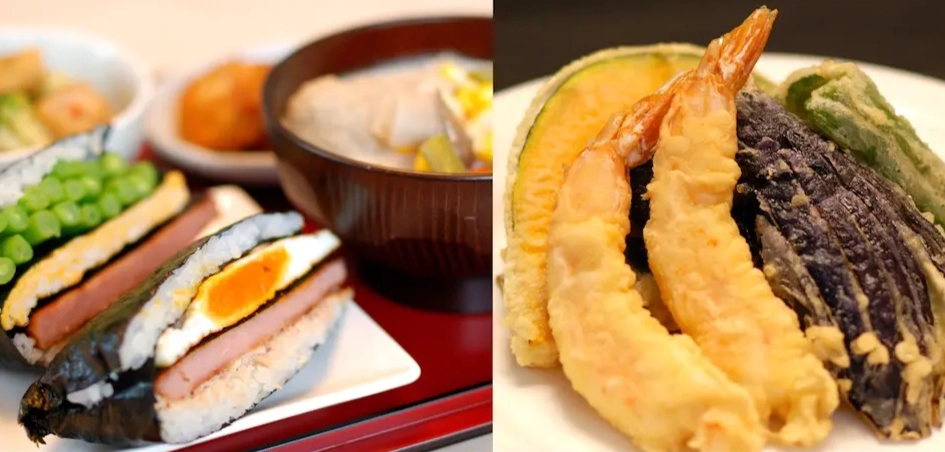
Top 5 Easy Japanese Recipes to Start With Tonight
Okay, theory is over. Let's cook. These five recipes are my go-to recommendations for beginners. They're ranked in a rough order of difficulty, but none are hard. Each one teaches you a fundamental technique and uses that pantry we just built.
1. The 10-Minute Miso Soup (The Ultimate Comfort)
Forget the salty, bland soup from takeout packets. Real miso soup is nourishing, fast, and customizable. This is perhaps the easiest entry point into Japanese cooking.
What you need: Water, instant dashi granules, white miso paste, soft tofu (cut into cubes), wakame seaweed (dried, a small pinch), green onion (finely sliced).
How to do it: Bring 2 cups of water to a simmer. Dissolve 1 tsp of dashi granules in it. Turn the heat to its lowest setting—you don't want a simmer anymore. Put a few tablespoons of the hot broth in a small bowl. Add 1.5-2 Tbsp of miso paste to this bowl and whisk until completely smooth and lump-free. Now, pour this miso slurry back into the pot. Stir gently. Add your tofu cubes and wakame. Let it sit for a minute off the heat to warm the tofu and hydrate the seaweed. Ladle into bowls and top with green onion. That's it. You just made a classic, healthy Japanese soup. The whole process of making this easy Japanese recipe is almost therapeutic.
2. Perfect Pan-Fried Teriyaki Chicken (The Crowd-Pleaser)
This is the dish that will make you feel like a pro. It's juicy, glossy, and requires just one pan.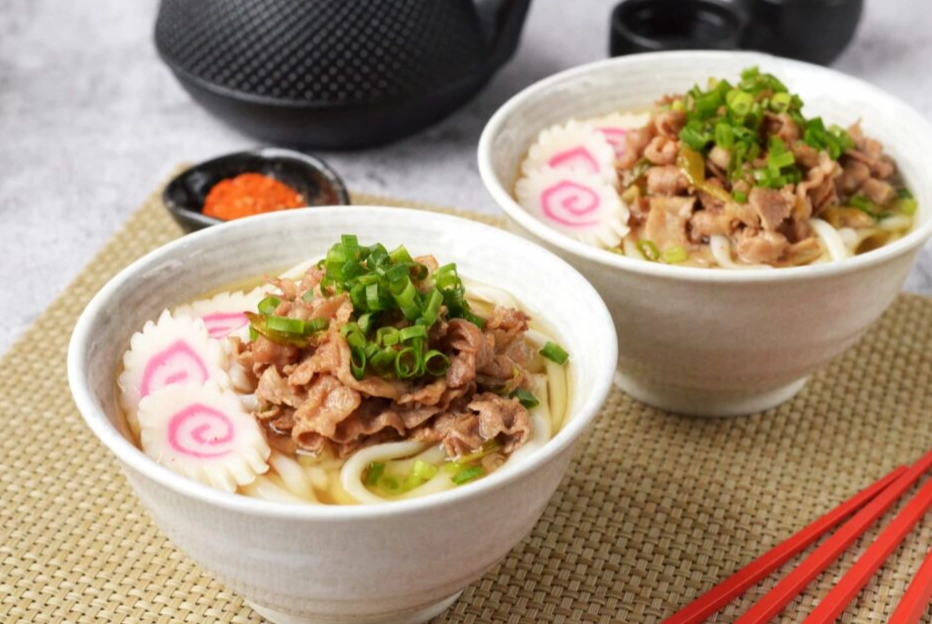
What you need: Chicken thighs (boneless, skin-on for maximum flavor, but skinless works), soy sauce, mirin, sake, sugar, a bit of vegetable oil.
How to do it: Pat the chicken thighs dry. Heat a bit of oil in a non-stick or cast-iron skillet over medium heat. Place the chicken in, skin-side down if using skin. Cook for 5-7 minutes until golden and crispy. Flip and cook the other side for another 5-7 minutes until cooked through. Remove the chicken to a plate. In the same pan, lower the heat and add ¼ cup soy sauce, ¼ cup mirin, 2 Tbsp sake, and 1-2 Tbsp sugar (to taste). Let it simmer for 2-3 minutes until it slightly thickens into a glaze. Return the chicken to the pan, spoon the glaze over it, and let it coat for a minute. Serve over rice. This is the definition of a simple Japanese meal that impresses everyone.
3. Yasai Itame (Japanese-Style Stir-Fried Vegetables)
This is your clean-out-the-fridge, healthy, weeknight hero. It's lighter and simpler than many other stir-fries.
What you need: Any sturdy vegetables—cabbage, carrots, bell peppers, bean sprouts, mushrooms. Garlic, ginger, soy sauce, sake, a touch of sesame oil, and optional protein like thinly sliced pork or tofu.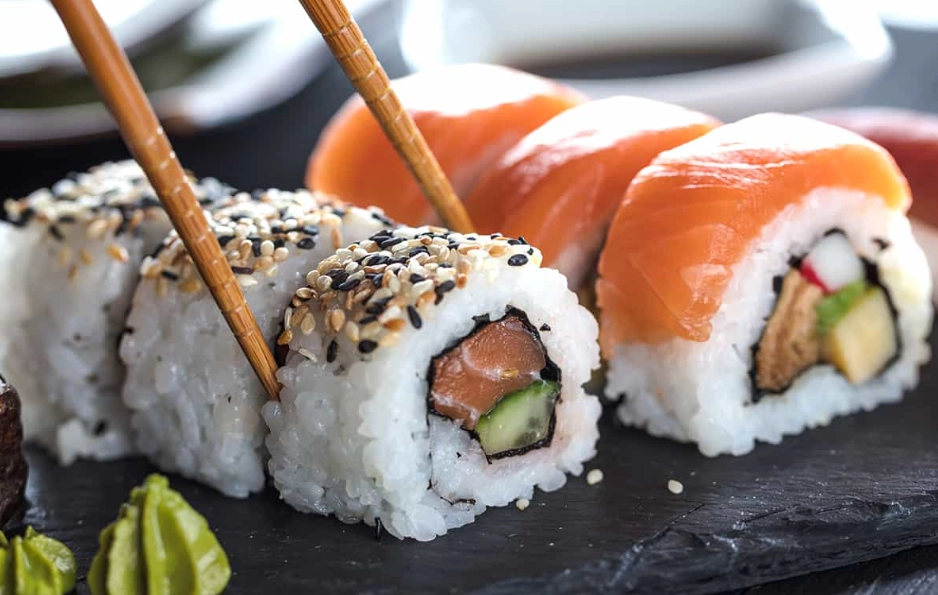
How to do it: Cut all your veggies into similar-sized, bite-sized pieces. Heat a wok or large skillet over high heat with a neutral oil. Stir-fry any harder veggies (carrots) first for a minute. Add the rest (cabbage, peppers). Push veggies to the side, add a bit more oil, and fry minced garlic and ginger until fragrant. If using meat, cook it now. Splash in 1-2 Tbsp of soy sauce and 1 Tbsp of sake around the edges of the pan (it sizzles and evaporates quickly, adding flavor). Toss everything together for another minute. Finish with a few drops of sesame oil. The result is a vibrant, healthy side or main that proves Japanese cooking for beginners can be incredibly fresh and fast.
4. Onigiri (Rice Balls) - No Cooking Required
This is less of a recipe and more of an assembly project. It's fun, hands-on, and perfect for lunches.
What you need: Freshly cooked short-grain Japanese rice (it's stickier), fillings like canned tuna mixed with mayo, umeboshi (pickled plum), or grilled salmon flakes. You'll also need a bit of salt and optionally nori seaweed sheets.
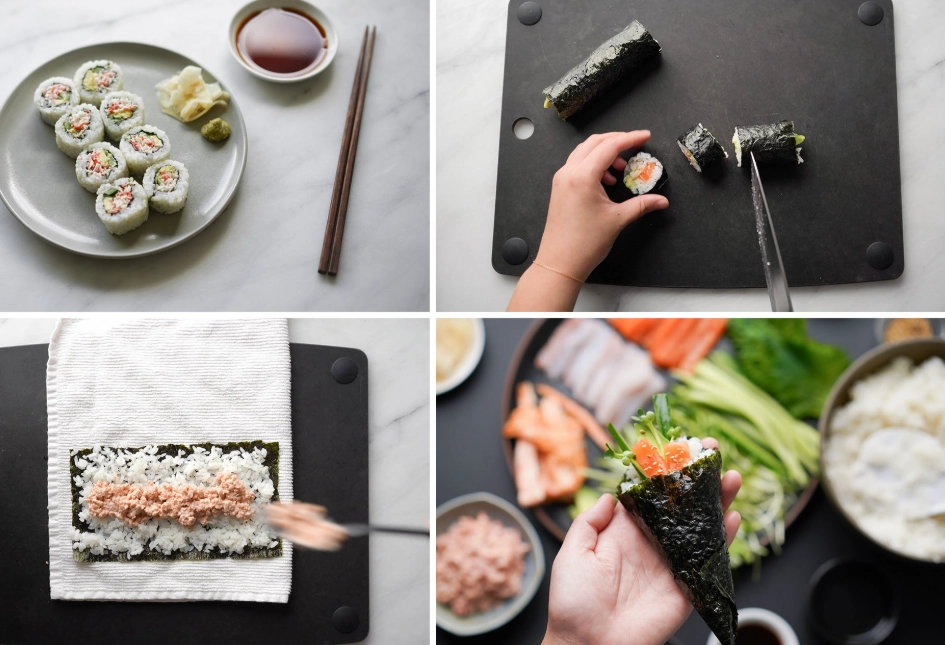
How to do it: Let your cooked rice cool slightly until you can handle it. Wet your hands with water and rub them with a pinch of salt. Take a handful of warm rice. Make a small indentation in the center, add a teaspoon of your filling, and then mold more rice over it to enclose it. Shape into a triangle, ball, or cylinder by gently pressing and rotating in your hands. Wrap with a strip of nori if you like. The beauty of easy Japanese recipes like onigiri is their versatility and portability. They're the original perfect snack.
5. Tamagoyaki (Japanese Rolled Omelette) - The Skill-Builder
This one looks fancy but is just a series of simple folds. It's a great weekend breakfast project.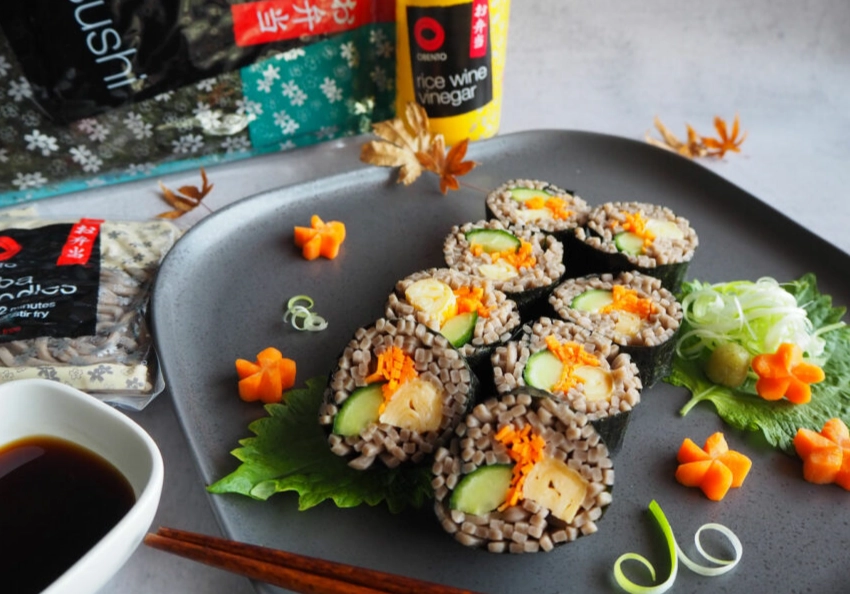
What you need: Eggs, sugar, soy sauce, mirin, dashi or water, a rectangular tamagoyaki pan (helpful but a small non-stick skillet works in a pinch), oil for brushing.
How to do it: Whisk 3 eggs with 1 tsp sugar, 1 tsp soy sauce, 1 tsp mirin, and 1 Tbsp dashi/water. Heat your pan on medium-low, brush with oil. Pour in a thin layer of egg, just enough to coat the bottom. Let it set almost completely but stay slightly wet on top. Using chopsticks or a spatula, carefully roll the set egg from the far side toward you. Push the roll to the far side. Brush the empty part of the pan with oil again. Pour another thin layer of egg, lifting the first roll to let the new egg flow underneath. Let it set, and roll again, this time rolling the existing roll forward over the new layer. Repeat until egg is used up. You'll end up with a log. Let it rest, then slice. It's sweet, savory, and the process is oddly satisfying. A true test of a simple Japanese meal component.
Essential Tools (You Probably Already Have Them)
Another myth to bust: you don't need special gear. A good sharp knife is the most important thing. But here are a few items that make life easier, in order of importance.
- A Rice Cooker: I know, it's a single-use appliance. But for Japanese food, it's a game-changer. Perfect rice every time, with no thought. If you're serious about this cuisine, it's worth the counter space. Zojirushi is the gold standard, but any basic model works.
- A Good Non-Stick Skillet or Wok: For teriyaki, stir-fries, and tamagoyaki (if you don't have the rectangular pan).
- A Medium Saucepan: For soups, simmering dishes, and making dashi.
- Fine Mesh Strainer: Super useful for rinsing rice, straining miso lumps, or draining vegetables.
- Donabe (Clay Pot): This is the luxury item. It's for nabemono (hot pot) and cooking rice. It creates an incredible atmosphere and even cooking, but you can absolutely make do without it for years.
Common Pitfalls & How to Avoid Them
I've made the mistakes so you don't have to. Here’s a quick list of what usually goes wrong for people starting with Japanese cooking for beginners.
For more detailed scientific background on ingredients like dashi and umami, resources from institutions like Kyoto University, which has conducted extensive research on food science and traditional cuisine, can be fascinating for the curious cook.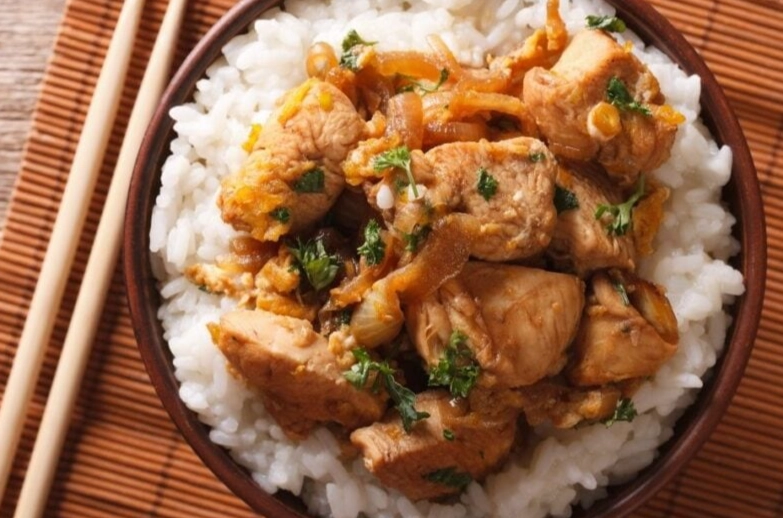
Your Questions, Answered (FAQ)
Here are some things I wondered about (and get asked a lot) when I started looking for easy Japanese recipes.
Can I really make Japanese food without MSG?
Absolutely. MSG (monosodium glutamate) is just purified umami, naturally found in tomatoes, Parmesan, and seaweed. Traditional dashi made from kombu (kelp) and katsuobushi (bonito flakes) is packed with natural glutamates. If you use instant dashi granules, check the label—many contain MSG. If you prefer to avoid it, look for MSG-free brands or make your own dashi from scratch (it's not hard, just simmer kombu and then add bonito flakes). The umami will still be there, just from natural sources.
What's the easiest Japanese dish for a complete beginner?
My vote goes to Miso Soup or Teriyaki Chicken. Miso soup has the fewest steps and introduces you to dashi and miso. Teriyaki chicken is a one-pan wonder with a spectacular, satisfying result. You can't go wrong with either as your first simple Japanese meal.
Where can I find authentic recipes beyond simple ones?
Once you get comfortable, you'll want to explore. I highly recommend looking at websites run by Japanese food companies or cultural organizations. They have a vested interest in accuracy. Sites like Japan Centre often have reliable recipes. Also, look for cookbooks by authors like Namiko Chen (Just One Cookbook) or Elizabeth Andoh, who specialize in translating authentic techniques for the Western kitchen.
Is Japanese food expensive to cook at home?
Not at all, especially the home-style (katei ryori) dishes we're talking about. The initial pantry investment might be $30-$40, but those bottles last for months. The main ingredients—rice, vegetables, tofu, chicken—are some of the most affordable proteins and carbs out there. It's far cheaper than ordering sushi takeout.
Putting It All Together: A Sample Easy Japanese Meal Plan
Let's make this concrete. Here’s what a relaxed, homemade Japanese dinner could look like using the recipes above. This isn't a rigid rule; it's an example of the beautiful simplicity.
- Main: Teriyaki Chicken (Juicy, glazed, cooked in one pan)
- Side 1: Yasai Itame (Fresh, crisp stir-fried seasonal vegetables)
- Side 2: Miso Soup (Warm, comforting broth to sip)
- Base: A bowl of perfectly steamed white rice
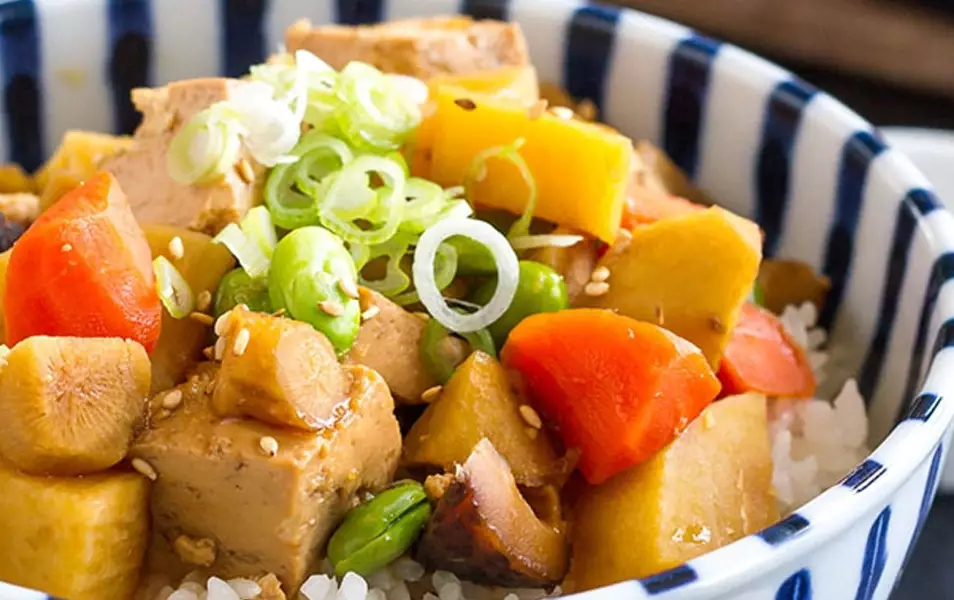
See the balance? You have a protein, a vegetable, a soup, and a staple grain. It's nourishing, covers different flavors and textures, and most of it can be prepared in under 30 minutes with a bit of practice. This is the heart of finding easy Japanese recipes that work for real life.
 The best way to learn is to start. Pick a recipe and give it a go.
Japanese home cooking has this reputation for being elusive, but it's really about celebrating simple, good ingredients. It's about the quiet satisfaction of making a perfect pot of rice, the warmth of a bowl of miso soup you crafted yourself, and the joy of sharing a plate of glossy teriyaki chicken. Don't get hung up on perfection. My early onigiri fell apart. My first tamagoyaki was lopsided. But they tasted great, and I learned something each time.
So, raid your pantry, make a small shopping list for an Asian market, and commit to trying just one of these easy Japanese food recipes this week. That's how you build confidence, one delicious, simple meal at a time. You might just find it becomes your new favorite way to cook.
Reader Comments