You're standing in the grocery aisle, holding a box of regular bread crumbs in one hand and a bag of panko in the other. The recipe just says "bread crumbs." Which one do you grab? If you think they're interchangeable, you're setting yourself up for a kitchen disappointment. The truth is, panko and regular bread crumbs are as different as a delicate, shattering tempura crust and a dense, homey meatloaf topping. Choosing the wrong one can mean the difference between a soggy, oily mess and a perfectly crispy masterpiece.
I learned this the hard way years ago, trying to make tonkatsu (Japanese pork cutlet) with the standard Italian-seasoned bread crumbs I had on hand. The result was a heavy, greasy coating that tasted more like a pizza topping than the light, airy crunch I craved. That failure sent me down a rabbit hole of research and experimentation. Let's cut through the confusion so you can get the exact texture and flavor you want, every single time.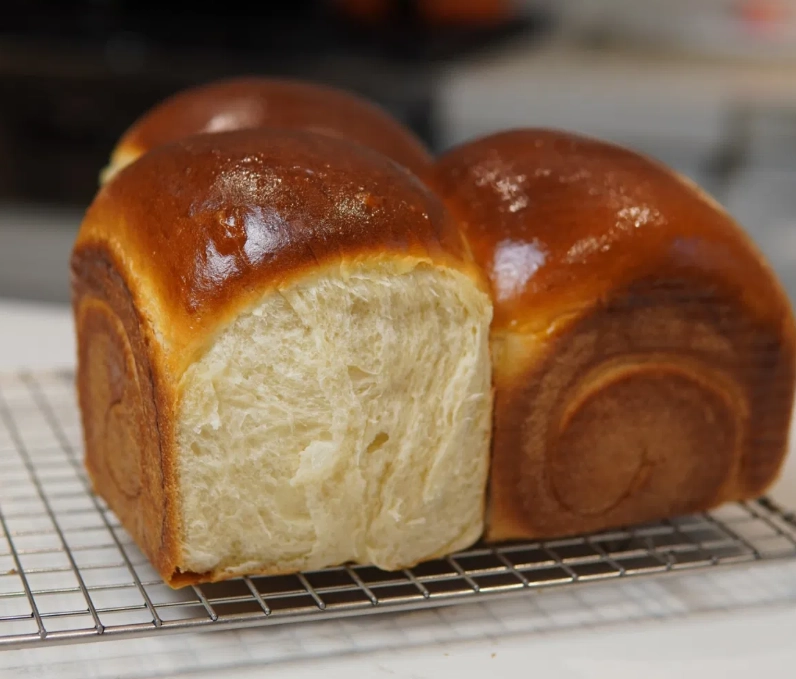
What's Inside This Guide
Panko vs. Regular Bread Crumbs: The Core Differences
It all starts with the bread itself. This isn't just about shape; it's about fundamental construction that changes how they cook and feel in your mouth.
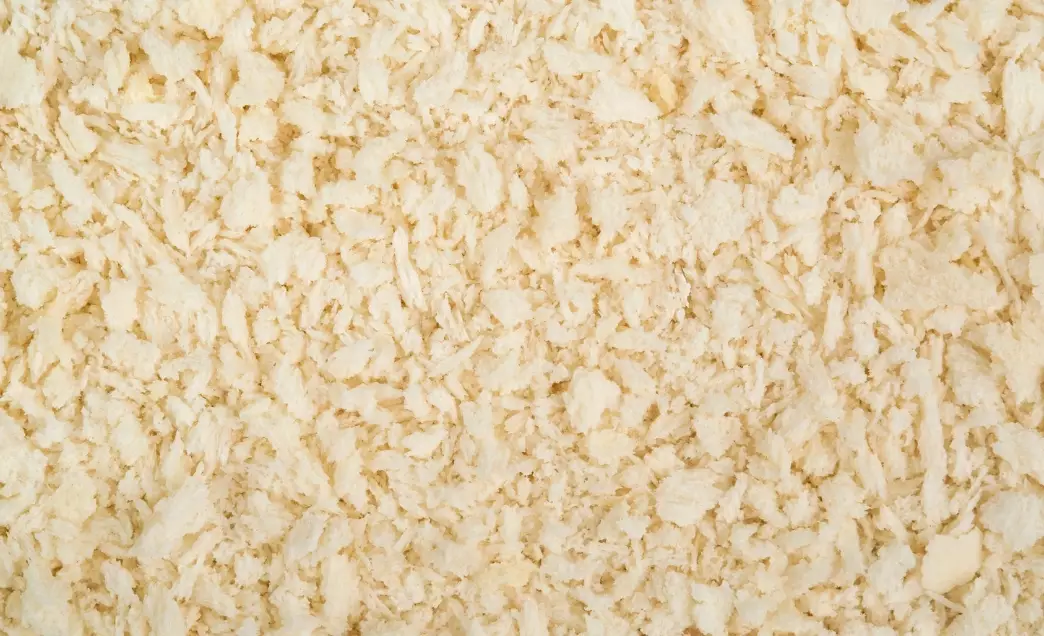
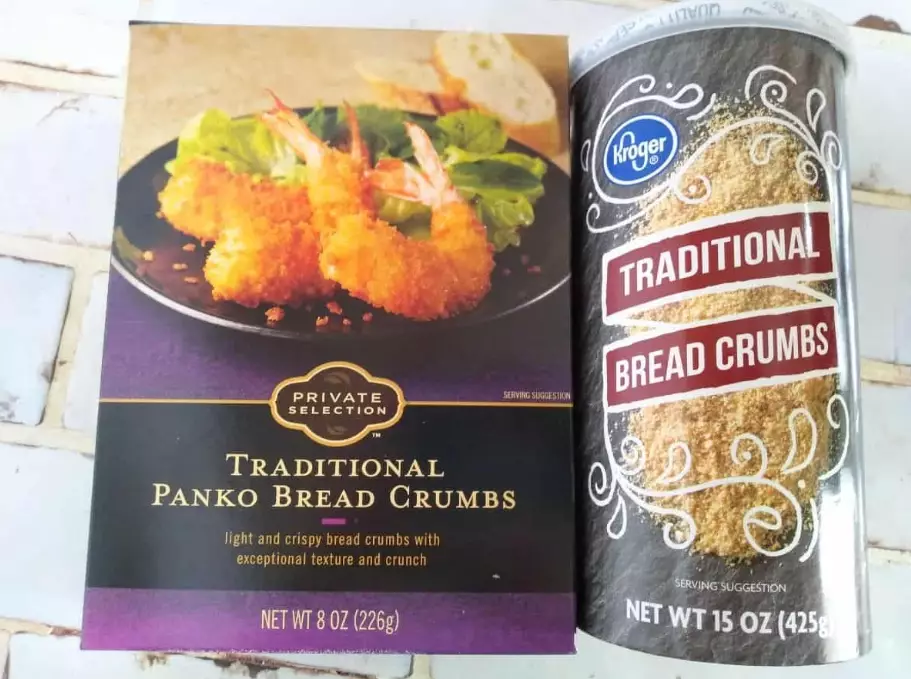
Panko (Japanese Bread Crumbs) are made from crustless white bread that's baked by passing an electrical current through the dough. This unique method creates a bread with no crust and a very airy, uniform structure. The bread is then coarsely ground into large, flaky, shard-like pieces. They look like little slivers or flakes, not fine grains.
Regular Bread Crumbs (often labeled "plain" or "unseasoned") are typically made from dried, toasted bread—crust and all—that's ground into fine, sandy particles. You can also find "Italian-style" which has herbs and cheese added. The texture is uniform and powdery.
Here’s a breakdown that shows why these origins matter on your plate: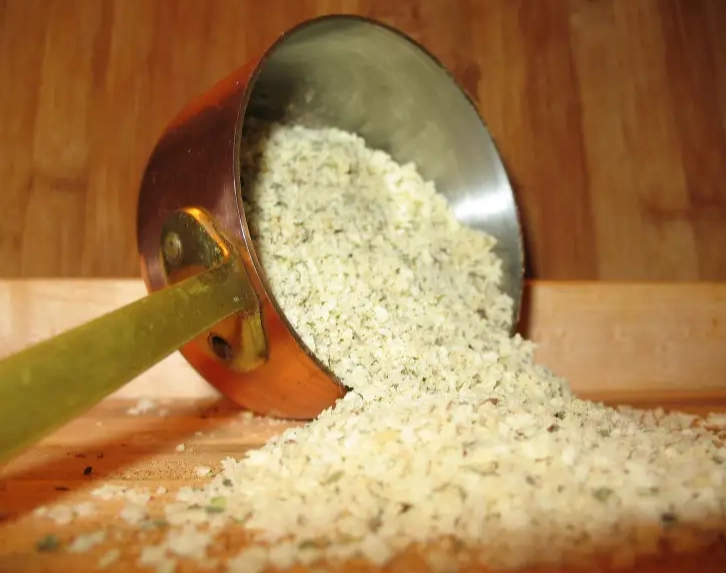
| Feature | Panko (Japanese) | Regular Bread Crumbs |
|---|---|---|
| Texture & Shape | Large, flaky, shard-like, coarse. | Fine, sandy, uniform granules. |
| Absorption | Low oil/fat absorption. The sharp edges and airy structure create more surface area for crispiness without soaking up grease. | High oil/fat absorption. The fine particles pack together and act like a sponge. |
| Final Result When Fried | Extremely crispy, light, airy, shattering crunch. A delicate, golden crust with pronounced texture. | Denser, harder, more compact crunch. Can become greasy or soggy if over-fried. |
| Final Result When Baked | Excellent browning, stays crispier longer due to less moisture absorption. Great for toppings. | Can soften more quickly, better for binding in baked dishes like meatballs. |
| Color | Stays lighter in color (white to pale golden) even when fully cooked. | Browns more deeply and evenly to a golden brown. |
| Flavor | Very neutral, slightly sweet. Designed to not compete with the food's flavor. | Plain versions are neutral; "Italian" versions have pronounced herb/garlic/cheese flavors. |
That difference in absorption is the real game-changer. Panko's architecture creates little air pockets and jagged edges. When fried, oil crisps the outside of these flakes but doesn't penetrate deeply, leading to a lighter, less greasy finish. Regular bread crumbs, being denser, soak up oil like a kitchen sponge, which can weigh down the coating.
How to Choose: A Quick Decision Guide
Stop overthinking it. Use this simple mental checklist next time you're cooking.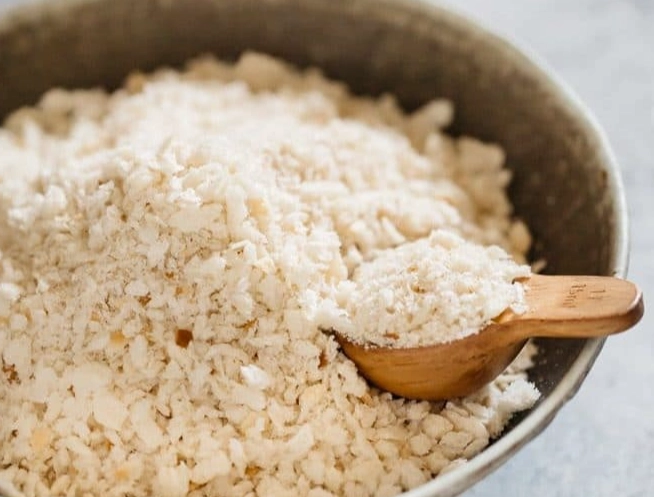
Reach for Panko when your goal is: Maximum CRUNCH. You want a light, shattering, distinct coating that stays crispy. Think frying or air frying where grease management is key. Also for baked toppings where you want pronounced texture.
Reach for Regular Bread Crumbs when your goal is: BINDING or a DENSE, HOMEY CRUNCH. You need them to act as glue in a mixture (meatballs, meatloaf) or you want a sturdy, familiar coating that browns evenly and carries seasoned flavors well.
Classic Dish Scenarios
Let's get concrete. Here’s what I'd use for some common dishes:
Fried Chicken Tenders/Katsu/Tonkatsu: Panko, no question. You want that iconic, craggy, ultra-crisp exterior that doesn't get soggy under sauce.
Breaded Fish Filets or Shrimp: Panko for a light, tempura-like feel. Regular breadcrumbs can overwhelm delicate seafood.
Mac and Cheese Topping / Baked Casserole Topping: A toss-up, but I lean towards panko mixed with a little melted butter. It gives a fantastic, crunchy, textural contrast that holds up against the steam from the dish below. Regular breadcrumbs can get pasty.
Meatballs, Meatloaf, Crab Cakes: Regular, plain breadcrumbs. Their fine texture helps bind the proteins and moisture together into a cohesive structure. Panko flakes are too large and don't bind as well, leading to a crumbly, fall-apart meatball. (Trust me, I've made that mistake).
Mozzarella Sticks / Arancini: Double-coat. Use fine regular breadcrumbs for the first layer to create a seal, then panko for the outer layer for ultimate crunch. This prevents leaky cheese.
The Best Uses for Each Type (With Recipes in Mind)
Beyond the classics, understanding their strengths opens up better cooking.
Panko's Superpower: The Air Fryer and Modern Baking
Panko is the undisputed champion for air frying. Since air fryers work by circulating hot air, you need a coating that will crisp up with minimal oil. Panko's low absorption and flaky texture are perfect for this. A light spray of oil on panko-breaded chicken will yield a result shockingly close to deep-frying. Regular breadcrumbs often end up dry and pebbly in the air fryer.
For oven-baking, panko also wins for maintaining crispiness. Because it absorbs less moisture from the food itself during baking, the coating stays crunchier longer. Try it on baked chicken cutlets or even as a topping for baked tomatoes or sliced zucchini.
Regular Bread Crumbs: The Binding Agent and Flavor Vehicle
Their finest role is as a culinary glue. In meatloaf, they absorb the juices and egg, swelling to create a tender, cohesive loaf. In a stuffing or dressing, they're essential for that soft, pillowy interior that soaks up broth.
And don't sleep on seasoned Italian breadcrumbs. They're a fantastic shortcut. Want a quick, flavorful coating for baked chicken parmesan? The herbs and cheese are already in there. Just dip, bake, and add sauce. Using plain panko for that would require you to add all those seasonings separately.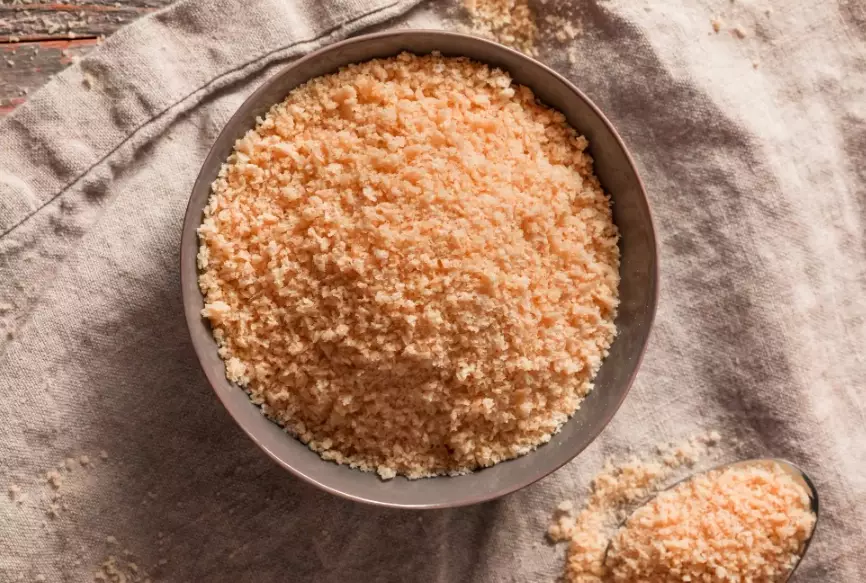
Expert Tips and Common Mistakes
After years of testing, here are the nuances most guides don't tell you.
1. Toast Your Panko for a Next-Level Crunch. This is my secret weapon. Spread panko on a baking sheet and toast it in a 350°F oven for 5-7 minutes until lightly golden and fragrant. Let it cool before using. This dehydrates it further, guaranteeing an even crisper, nuttier-tasting crust that browns beautifully without burning. It's a game-changer for oven recipes.
2. The Breading Station Order is Non-Negotiable. Flour, then egg (or buttermilk), then crumbs. The flour creates a dry surface for the egg to stick to, and the egg glue holds the crumbs. Skipping the flour is a top reason breading falls off.
3. Press, Don't Drizzle. When applying the crumbs, press them firmly onto the wet surface. Don't just sprinkle. You want a solid, even layer that adheres.
4. Let It Rest. After breading, let the food sit on a wire rack for 10-15 minutes before cooking. This lets the coating set and dry slightly, which helps it stay on during frying.
5. Don't Crowd the Pan. Whether frying or baking, give your food space. Crowding creates steam, which is the enemy of crispiness. It makes the coating soggy.
6. Substitution Math is Rough. Can you substitute one for the other in a pinch? Yes, but temper your expectations. If a recipe specifically designed for panko's airiness (like tonkatsu) is made with regular crumbs, it will be heavier. If a meatball recipe calling for fine crumbs uses panko, it may be loose. If you must swap, pulse panko in a food processor to make it finer for binding, or use regular crumbs and accept a denser fry.
7. Make Your Own Regular Bread Crumbs. It's easy and avoids additives. Stale bread, pulsed in a food processor and dried in a low oven. For panko-style, use crustless sandwich bread, tear it into chunks, pulse lightly (don't over-process into dust), and dry. The USDA FoodData Central shows that homemade versions let you control sodium and other ingredients.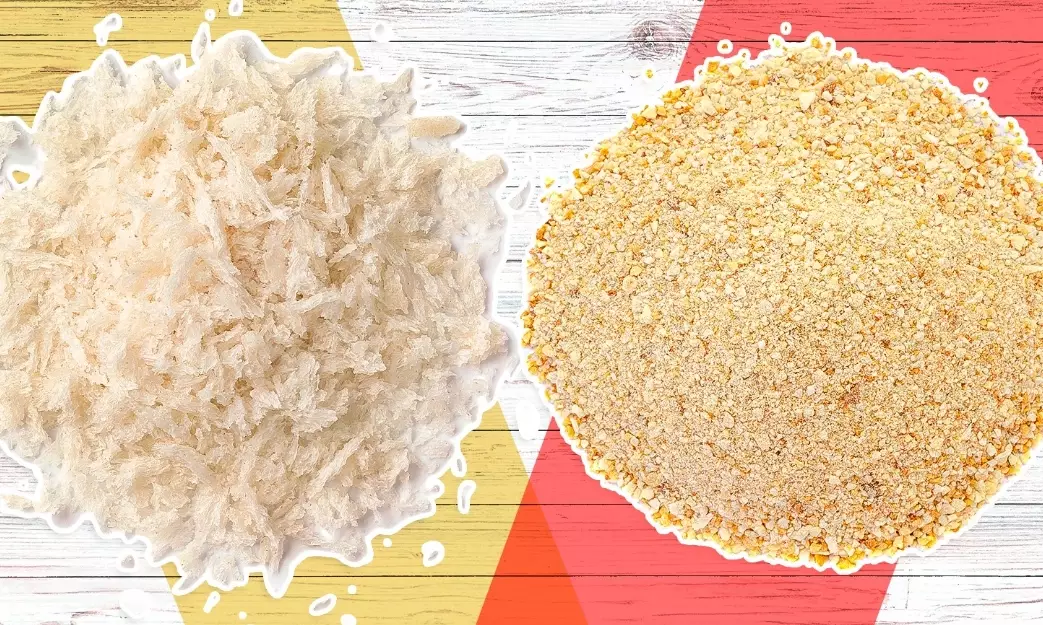
Your Burning Questions Answered (FAQ)
I don't recommend it as a direct 1:1 swap. Panko's large flakes don't bind moisture and protein the same way. Your meatballs will likely be more fragile and have a looser, grainier texture. If you're out of regular crumbs, pulse the panko in a food processor until it resembles fine sand first. Even then, you might need a slightly extra binder like an additional egg yolk.
This usually means your temperature is too high, or you're not using any oil. Panko can go from golden to burnt quickly. For proteins like chicken, try 375°F instead of 400°F. Also, a very light, even spray of oil (avocado or canola) helps conduct heat evenly and promotes browning without scorching. The oil acts as a buffer.
 Are panko bread crumbs gluten-free?
Traditional panko is made from wheat bread, so no, it is not gluten-free. However, many brands now offer excellent gluten-free panko made from rice flour or other gluten-free grains. They replicate the flaky texture surprisingly well. Always check the label if you have celiac disease or a gluten sensitivity.
Air is the enemy. After opening, transfer them to an airtight container or a heavy-duty ziplock bag, squeeze out all the air, and store in a cool, dark pantry. They can last for months. For long-term storage (over 6 months), the freezer is your friend. Both types freeze beautifully and won't clump because they're already dry. Just take out what you need.
 Is there a nutritional difference between panko and regular bread crumbs?
The differences are minor and vary by brand. Per equal serving, panko often has slightly fewer calories and carbohydrates because it's more airy (less dense material per cup). It may also have slightly less sodium if you're comparing to seasoned Italian crumbs. However, the real nutritional impact comes from how much oil they absorb during cooking. Panko's lower absorption means the final fried food is often less calorie-dense because it holds less grease. For specific data, resources like the USDA's nutritional database are authoritative.
Reader Comments